wellness
Lagos Locals Guard These 7 Hidden Nature Trails From Tourists
Beyond the beach selfies and rooftop bars, Lagos has a quiet network of green trails that early-morning regulars have been keeping to themselves.
How we reported this
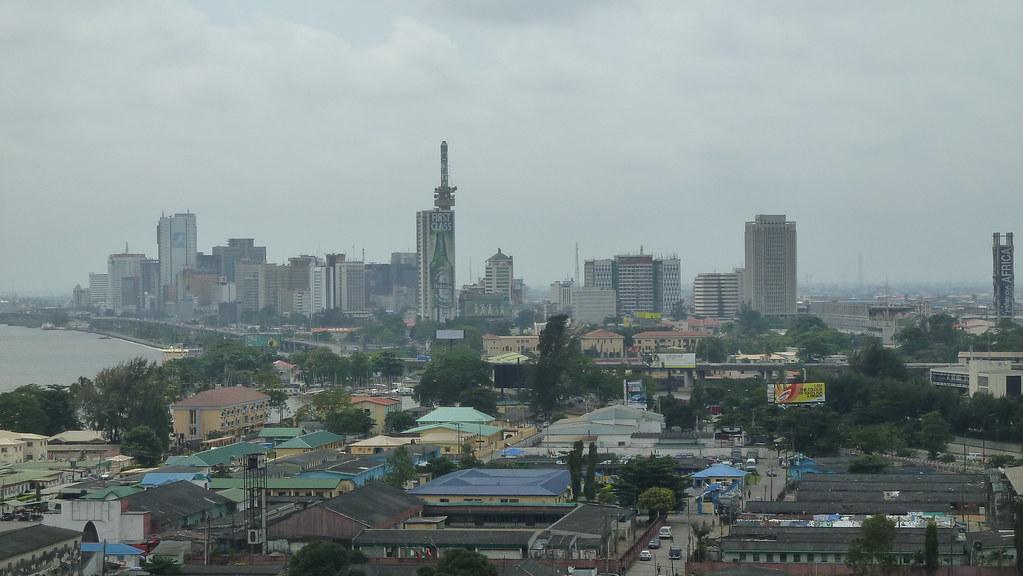
Every Saturday before 7 a.m., a loose crowd of maybe 40 walkers assembles at the Lekki Conservation Centre entrance on Lekki-Epe Expressway, not for the famous canopy walkway that appears on every travel blog, but for the forest floor trails that wind beneath it. No ticket upsell. No guided tour. Just red laterite paths through secondary rainforest that most visitors never find because they are not marked on the centre's printed map.
Lagos has a fitness image problem. The city's outdoor wellness story gets told almost entirely through Elegushi Beach boot camps and the proliferating gym chains pushing monthly memberships of ₦35,000 and above. That framing is incomplete, and with urban heat intensifying through what has been a brutal June 2026 dry-season hangover, knowing where to find genuine tree canopy cover is no longer a lifestyle preference. It is a practical health matter.
The Spots the Regulars Protect
Lekki Conservation Centre's perimeter trail, a rough 3.2-kilometre loop hugging the western fence line, is the worst-kept open secret in Victoria Island's fitness community. The Nigerian Conservation Foundation, which manages the 78-hectare site, formally lists entry at ₦2,000 for adults, but the trail itself requires no separate permit. Birders from the Lagos State Ornithological Society use it most weekday mornings and will readily point newcomers toward the section near the freshwater lagoon edge where the undergrowth thins and the soil stays damp and cool even in July.
Further inland, Ojodu-Berger holds the Agboville Community Green Space, less a formal park than a succession of football pitches, fruit tree rows and a single maintained jogging path along the Isheri Road drainage corridor. The Lagos State Parks and Gardens Agency quietly resurfaced 600 metres of that path in March 2026, laying compacted gravel that makes early-morning runs practicable even the day after heavy rain. Residents in the Omole Phase II estate know it; cab drivers giving directions to Ojodu do not mention it.
On Lagos Island proper, the Onikan waterfront strip between the National Museum and Benson Idahosa Way offers a flat, roughly 1.4-kilometre stretch of harbour-facing promenade. It lacks shade and is therefore best before 8 a.m. or after 6 p.m., but it is one of the few places in the island core where walking feels like the intended activity rather than an inconvenience to traffic. The Lagos Island Local Government Area has discussed installing benches and shade structures since at least 2024; as of July 2026, that project remains in procurement.
Why It Matters Beyond the Morning Walk
Research from the World Health Organisation's 2024 urban health report found that adults in cities with accessible green space within 500 metres of home report meaningfully lower rates of anxiety and cardiovascular disease risk factors than those without. Lagos's overall parkland per capita, roughly 0.6 square metres per resident according to the Lagos Metropolitan Area Transport Authority's 2023 spatial audit, sits far below the WHO's recommended 9 square metres. That gap makes every functioning, accessible green corridor disproportionately valuable.
The gym culture surge is real and largely positive, but air-conditioned treadmills cannot replicate the specific physiological benefit of exercising in natural environments, lower cortisol response, improved mood markers, documented repeatedly in exercise science literature over the past decade. Doctors at Lagos University Teaching Hospital's wellness clinic in Idi-Araba have for two years recommended at minimum two outdoor sessions per week alongside any indoor fitness routine.
If you are going to use these spots, go prepared. The Lekki trail requires closed shoes, the roots are uneven and a rolled ankle is a Monday-morning risk. Water is non-negotiable; the nearest vendor inside the conservation centre charges ₦300 for 75cl bottles. The Ojodu path is busiest between 6 and 7:30 a.m. on weekdays and thins dramatically after 8 a.m. if you prefer the trail to yourself. For specific health conditions, joint issues, heat sensitivity, respiratory problems, confirm with a Lagos-based physician before swapping the gym for uneven forest terrain. The trails will still be there when you get clearance. The regulars have been patient about keeping them to themselves this long.