Technology
Lagos Smart City Push Raises Privacy, Equity and Control Concerns
As the state government pushes digital transformation across Ikeja, Lekki and beyond, technologists and residents are asking who benefits-and who pays the price.
Listen in English · 4 min
How we reported this
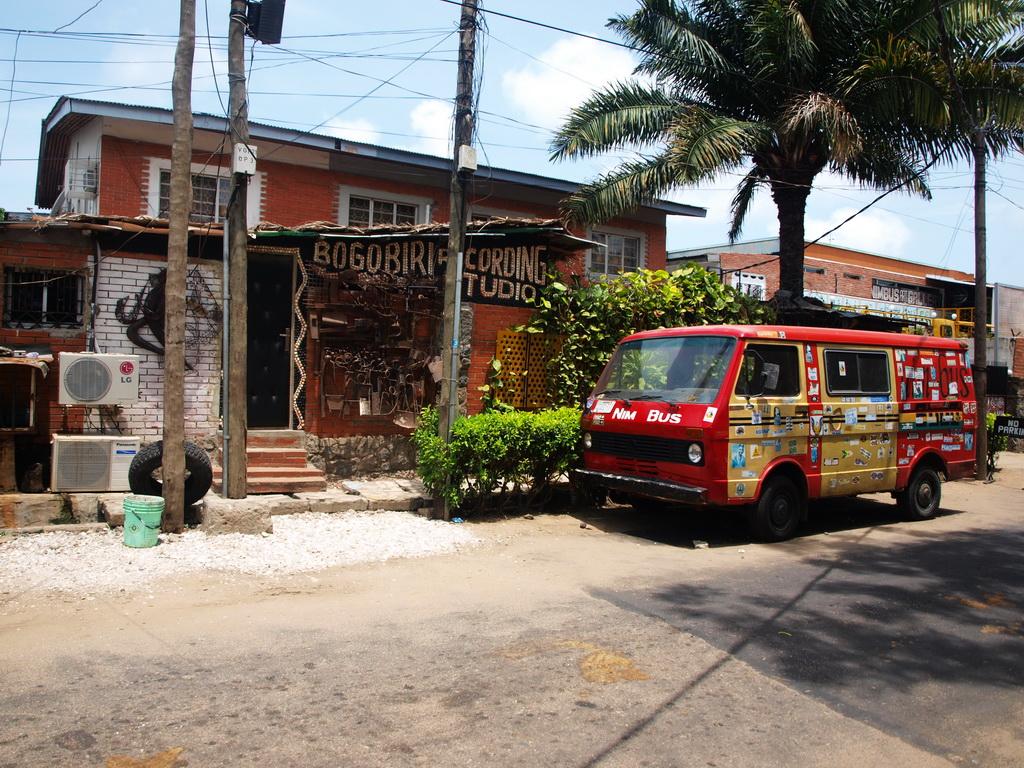
Lagos State's ambitions to become a truly smart city are unmistakable. From the Lekki toll gate's facial recognition systems to real-time traffic management platforms rolling out across Victoria Island and the mainland, the infrastructure is being built at pace. Yet beneath the gleaming promises of efficiency and progress lies a messier reality that city planners, technologists and residents must confront.
The Lagos State Internally Generated Revenue (IGR) has grown substantially, with digital services now accounting for a significant portion of tax collection. Smart governance initiatives promise to streamline everything from vehicle registration at state motor parks to land title verification through the Lands Registry. But efficiency alone doesn't guarantee fairness. When a traffic prediction algorithm decides which routes receive priority signal timing, or when facial recognition at Ikoyi checkpoints flags certain residents for additional screening, the underlying question becomes unavoidable: whose interests does this technology serve?
Consider the digital divide within Lagos itself. While affluent enclaves in Banana Island and Ikoyi enjoy uninterrupted broadband and seamless digital services, many residents in Alimosho and Mushin lack reliable electricity, let alone stable internet connectivity. Smart city infrastructure risks deepening these inequalities, creating a technological haves-and-have-nots landscape that mirrors existing spatial segregation.
Data governance remains particularly fraught. When biometric systems are deployed-whether for security or service delivery-there are limited public frameworks explaining how that data is stored, who can access it, and for how long. Residents registering vehicles or accessing healthcare services through government portals are often unaware of the digital trails they're creating or where that information flows.
The ethical questions extend to algorithmic accountability. If a machine-learning system designed to optimize public transport deployment disadvantages specific neighbourhoods, or if predictive policing tools shape how law enforcement resources are allocated, how are those decisions challenged or corrected? Lagos's tech community is sophisticated enough to ask these questions, yet institutional mechanisms for answering them remain underdeveloped.
The path forward isn't abandoning digital transformation-it's democratizing it. This means public consultations before deploying surveillance infrastructure, transparent data policies, investment in digital literacy across all income levels, and genuine accountability mechanisms. Singapore and Dubai have built smart cities, but Lagos has an opportunity to build something more ethically grounded: a smart city that actually serves all of Lagos, not just the connected elite. That's the real challenge ahead.