Technology
Lagos's Digital Future: Inside the Smart City Roadmap Set to Transform Urban Life by 2030
State government and tech partners reveal pipeline of ambitious gov-tech initiatives designed to digitise everything from traffic management to waste collection across Africa's largest megacity.
How we reported this
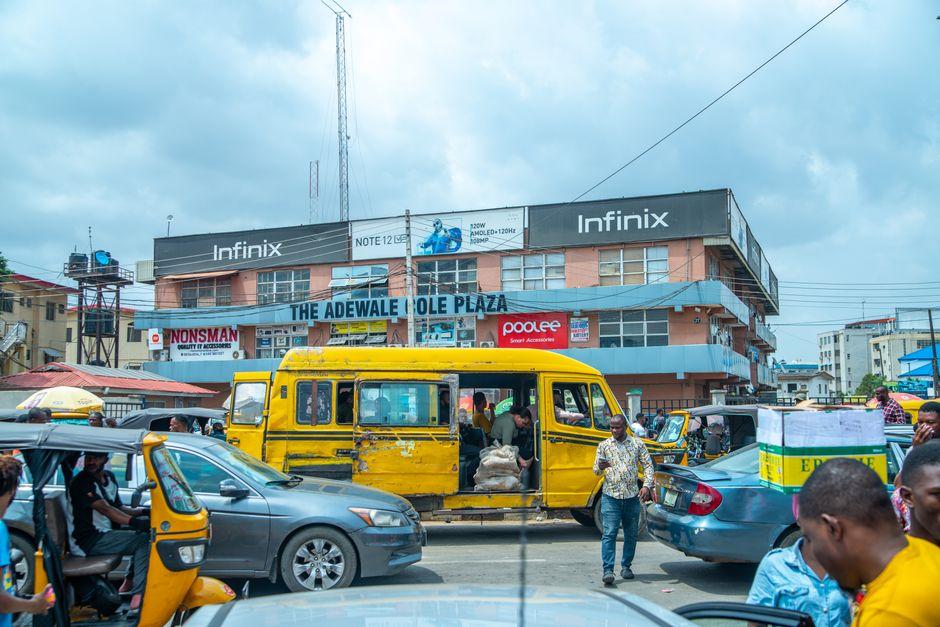
Lagos has long positioned itself as Africa's leading technology hub, but the conversation around smart city infrastructure is shifting from aspiration to implementation. According to development plans unveiled by the Lagos State Government's Office of Public-Private Partnerships, a wave of digital transformation products will arrive over the next four years-reshaping how residents interact with essential services across the sprawling 3,577-square-kilometre metropolis home to nearly 15 million people.
The roadmap prioritises five core areas: intelligent traffic management, digital waste collection systems, smart utility metering, biometric civic services, and predictive flood management. Initial rollouts will target high-congestion zones including the Lekki-Epe Expressway corridor, Victoria Island's central business district, and the Ikeja industrial belt-areas where traffic gridlock regularly costs the economy an estimated ₦2.5 trillion annually in lost productivity.
The Integrated Traffic Management System, already in pilot phase along parts of Lagos Island and Surulere, will soon expand to cover Ikoyi, Ajah, and the Apapa docks by Q3 2026. Using AI-powered vehicle detection and real-time congestion analysis, the system promises to cut average commute times by 20-30 percent. A second phase will integrate real-time public transport data, allowing commuters to track BRT buses and inform route planning directly through a unified mobile app.
Equally significant is the Digital Waste Collection Initiative, launching in Oshodi, Yaba, and VI neighbourhoods. Smart bins equipped with IoT sensors will alert waste management operators when nearing capacity, replacing the current manual collection schedules that often leave residents waiting days for pickup. Early trials suggest the system could reduce collection costs by up to 35 percent while cutting environmental contamination in waterfront areas.
The government is also rolling out smart metering for electricity and water across three council development areas, beginning with Badagry and Epe-traditionally underserved areas where billing disputes remain endemic. The biometric integration component-linking national identification to civic services-aims to streamline everything from business registration at the Lagos State Internal Revenue Service to vehicle licensing at the Driver and Vehicle Licensing Agency offices on Broad Street, Ikoyi.
Funding comes through a combination of state budget allocation, concessional loans from development finance institutions, and partnerships with homegrown tech firms like Flutterwave and Paystack's parent company Stripe, alongside international partners including Siemens and Nokia subsidiary Deepfield. Total projected investment: ₦487 billion through 2030.
For Lagos's tech community, the roadmap represents both opportunity and pressure to deliver solutions that actually improve residents' daily lives-not merely add digital veneer to outdated systems. Success here will determine whether the city can claim its place as a genuine smart city, or remains a work perpetually in progress.