news
Lagos State Government Applies Targeted Policies and Services to Multiple Challenges
Authorities roll out a no-light-no-pay electricity policy, road safety enforcement, flood response, an Ebola prevention campaign and rescue operations in response to recent events.
How we reported this
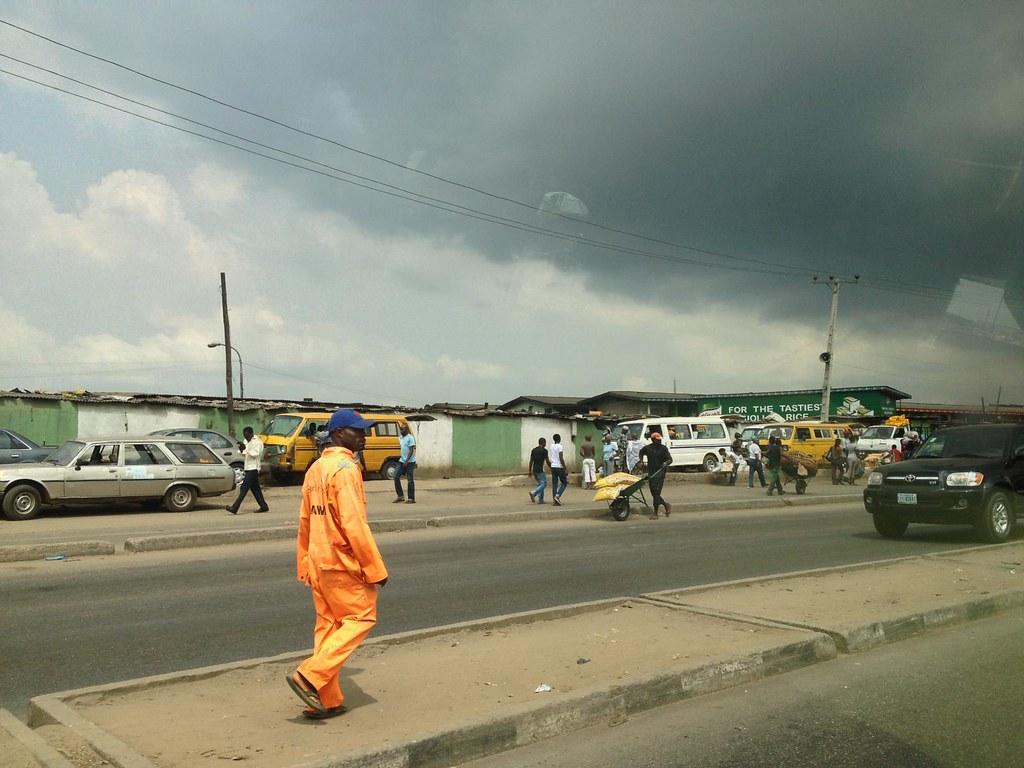
The Lagos State Government introduced a no light, no pay policy and signed a new power deal to increase electricity supply for public places while LASTMA recorded 69 deaths and 246 injuries from road crashes in the first quarter of 2026. The state government blamed recent flooding on rising lagoon water levels preventing proper stormwater drainage, launched a statewide emergency campaign called Operation Lagos BioShield to prevent Ebola importation and reported the death toll from a three-storey shopping mall collapse rising to eight with 26 people rescued.
Electricity Supply Measures
The introduction of the no light, no pay policy and the accompanying power deal represent direct decisions by the state government to address electricity reliability for public facilities. These steps focus on service delivery through local administrative channels rather than broader infrastructure projects.
Road Safety Enforcement
LASTMA data for January to March 2026 shows 69 deaths and 246 injuries from road crashes. The agency continues its role in monitoring and responding to incidents on Lagos roads as part of routine state safety operations.
Flood Response Actions
State officials attributed recent flooding to rising lagoon water levels that blocked normal stormwater drainage. This explanation guides decisions on drainage management and emergency preparations tied to lagoon conditions.
Health Security Campaign
Operation Lagos BioShield was launched across the state specifically to block Ebola importation. The campaign operates through existing public health services and coordination mechanisms within Lagos.
Building Incident Response
Following the three-storey shopping mall collapse, rescue teams recovered 26 people from the rubble while the death toll reached eight. State services handled the immediate extraction and site management after the event.
These measures reflect ongoing use of established local services and government decisions to manage separate issues as they arise. Further developments will depend on how the policies and campaigns perform in practice.