news
Lagos Property Agents Use Fake Images, Officials Warn Renters
From Victoria Island showrooms to Surulere letting agents, the practice of using duplicate and stolen property photographs is drawing warnings from regulators, landlords and consumer advocates alike.
How we reported this
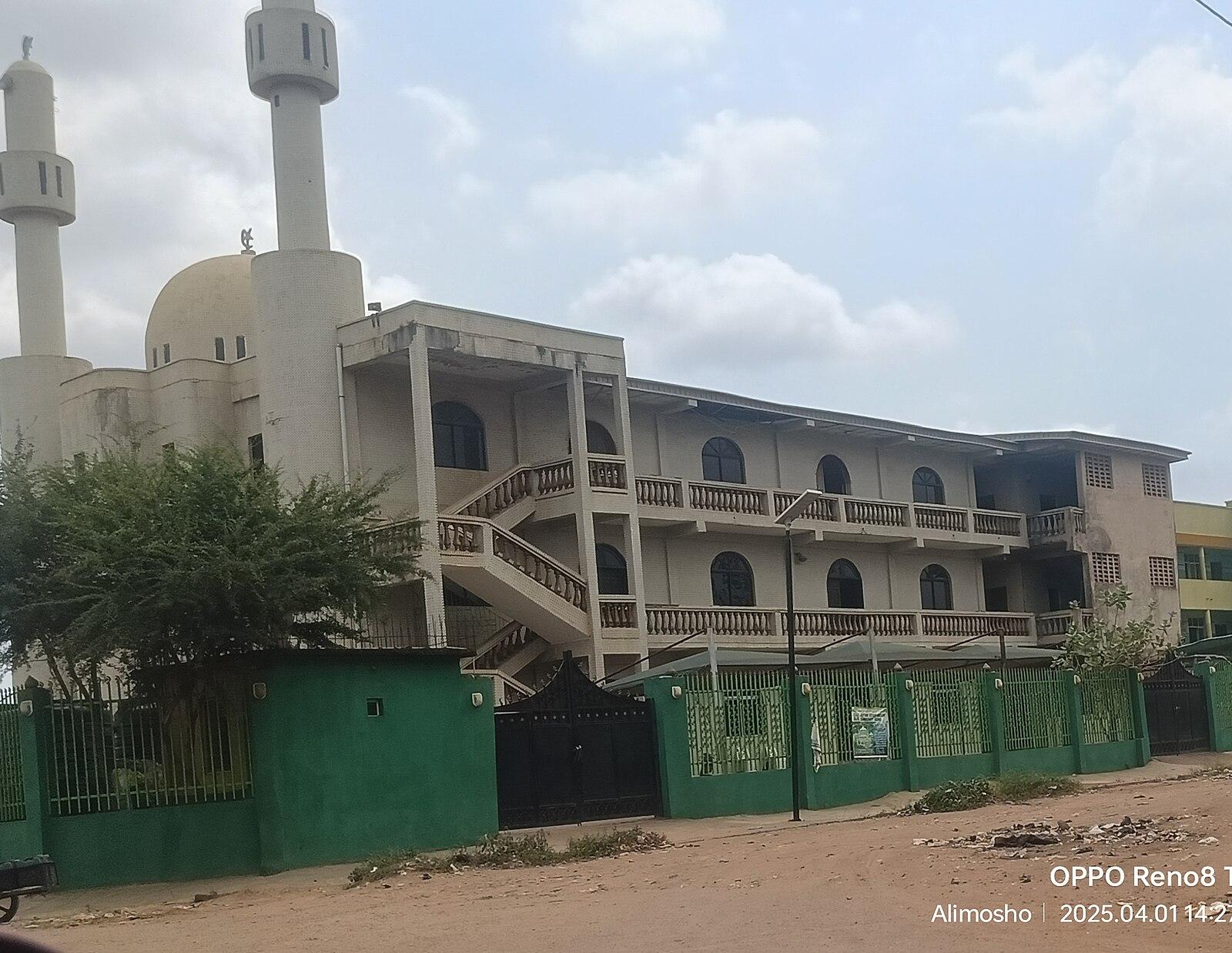
Nigeria's Federal Competition and Consumer Protection Commission has received a rising number of complaints this year tied to fraudulent real estate listings, and industry insiders say a specific, persistent problem sits at the root of many of them: the same photographs appearing across dozens of unrelated property adverts, often for apartments that either do not exist in the stated condition or have already been rented to someone else.
The practice is not new, but the scale has shifted sharply since the naira devaluation of 2023 pushed rental prices in Lagos beyond what most families can independently verify before committing money. When a two-bedroom flat in Yaba now routinely lists above ₦2.5 million annually, desperate tenants are less likely to walk away from a convincing-looking advert even when something feels wrong.
How the Scam Works in Lagos's Market
The mechanics are straightforward and ruthlessly effective. A bad actor scrapes photographs from legitimate listings on platforms such as PropertyPro or Nigeria Property Centre, repackages them under a false address, often citing Lekki Phase 1, Gbagada or Ikeja GRA, neighbourhoods with high demand, and posts the listing before the real estate portal's moderation team can flag the duplicate imagery. By the time a removal notice goes out, a prospective tenant has already paid a holding deposit.
The Nigerian Institution of Estate Surveyors and Valuers, which maintains a register of licensed practitioners in Lagos, has publicly urged prospective tenants to cross-check agent credentials before any money changes hands. The institution has not released a specific count of affected listings this year, but its Lagos State branch has flagged the issue in at least two circulars distributed to members since January 2026.
Technology firms operating in the property verification space argue that reverse-image search tools, freely available through Google Images and TinEye, can expose duplicate photographs within seconds. Fibre connectivity improvements along the Ajah-Lekki corridor have made smartphone-based verification more accessible, though power instability in areas like Oshodi and Mushin still limits practical uptake.
What Platforms and Regulators Are Being Asked to Do
Consumer advocates want platforms to implement automated duplicate-image detection before a listing goes live, not after a complaint is filed. Several Nigerian property technology startups, including those based out of the Co-Creation Hub on Herbert Macaulay Way in Yaba, have been developing image fingerprinting tools that can flag identical or near-identical photographs at the point of upload. The tools exist; the question being asked publicly is why the largest listing aggregators have not mandated their use.
The Lagos State Real Estate Regulatory Authority, known as LASRERA, licenses real estate practitioners in the state and has the power to sanction agents found facilitating fraudulent listings. LASRERA's mandate, established under the Lagos State Real Estate Transaction Department Law of 2021, covers both physical and digital advertising of property. Consumer groups have called on LASRERA to issue formal guidance specifically addressing digital image misrepresentation by the end of the third quarter of 2026.
For ordinary Lagosians navigating the rental market, the immediate practical advice coming from licensed surveyors and consumer groups is consistent: never pay a commitment fee before a physical inspection with a verifiable, LASRERA-registered agent; run any listing photograph through a reverse-image search before booking a viewing; and check that the address cited in the listing appears on at least two separate, independently operated platforms. If the photographs appear on a listing in Ikeja GRA but the same images turn up attached to a flat in Festac Town on another site, the advert is almost certainly fraudulent.
Regulatory pressure is building. LASRERA is expected to publish updated digital advertising guidelines before September, and at least one property technology company has confirmed it is in early discussions with the authority about integrating an image-authentication layer into the listing submission process. Whether platforms move voluntarily or wait for a compliance deadline will likely determine how many more Lagosians lose deposits to photographs that never belonged to the property being sold.