news
Lagos Flooding Devastates Victoria Island and Ikeja After Heavy Rainfall
Heavy rainfall causes widespread flooding in Lagos, affecting residents and businesses in areas like Victoria Island and Ikeja.
How we reported this
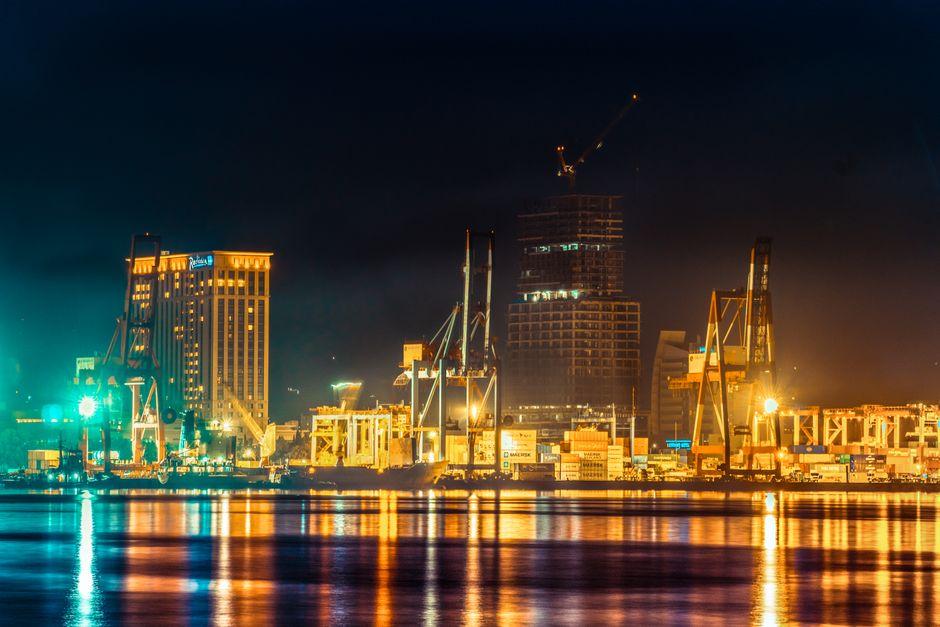
This week, Lagos experienced one of its worst flooding incidents in recent years, with heavy rainfall causing widespread damage and disruption in many parts of the city. The flooding, which occurred on Tuesday, affected several neighborhoods, including Victoria Island, Ikeja, and Surulere.
The flooding crisis in Lagos matters now because it highlights the city's inadequate drainage system and the need for urgent attention from the government. The recent fuel subsidy removal and naira devaluation have already led to a cost of living crisis, and the flooding has only exacerbated the situation. With the Dangote refinery set to open soon, there are concerns that the increased industrial activity could put more pressure on the city's infrastructure, making flooding worse. The Eko Atlantic City development, which is designed to be a futuristic city with advanced infrastructure, is often cited as a model for what Lagos could achieve with proper planning and investment.
Local Impact and Response
In areas like Lagos Island and Apapa, the flooding has caused significant damage to properties and businesses. The Lagos State Government has responded by deploying emergency services and equipment to affected areas. The Lagos State Emergency Management Agency (LASEMA) has been working to clear drainage channels and pump out floodwater from homes and businesses. The Nigerian National Petroleum Corporation (NNPC) has also announced plans to support the relief efforts. Specific locations like the National Stadium in Surulere and the Ikeja City Mall have been affected, with many residents and business owners counting their losses.
According to data from the Nigerian Meteorological Agency (NIMET), Lagos experienced 235 mm of rainfall in the past week, which is significantly above the average for this time of year. The cost of damage from the flooding is estimated to be in the billions of naira, with many residents and businesses affected. As of July 3, the Lagos State Government had reported that over 1,000 homes had been affected by the flooding, with many more at risk. The price of basic commodities like food and water has also increased, with a bag of rice now costing around N45,000, up from N35,000 just a few weeks ago.
As the city looks to recover from the flooding, residents and business owners are advised to take precautions to protect their properties and livelihoods. The Lagos State Government has announced plans to invest in drainage infrastructure and flood control measures, but it will take time and effort to implement these plans. In the meantime, residents can take steps like clearing drainage channels, using sandbags to protect their homes, and staying informed about weather forecasts and flood warnings. With the support of organizations like the Lagos Chamber of Commerce and Industry and the Nigerian Red Cross, the city can work towards a more resilient and sustainable future.