news
Lagos Restructures 20 Local Governments, Reshaping Nigeria's Urban Governance
As Lagos restructures its local government system under a sweeping new framework, urban planners are watching closely to see whether Africa's largest city can outperform comparable megacities that tried similar overhauls.
How we reported this
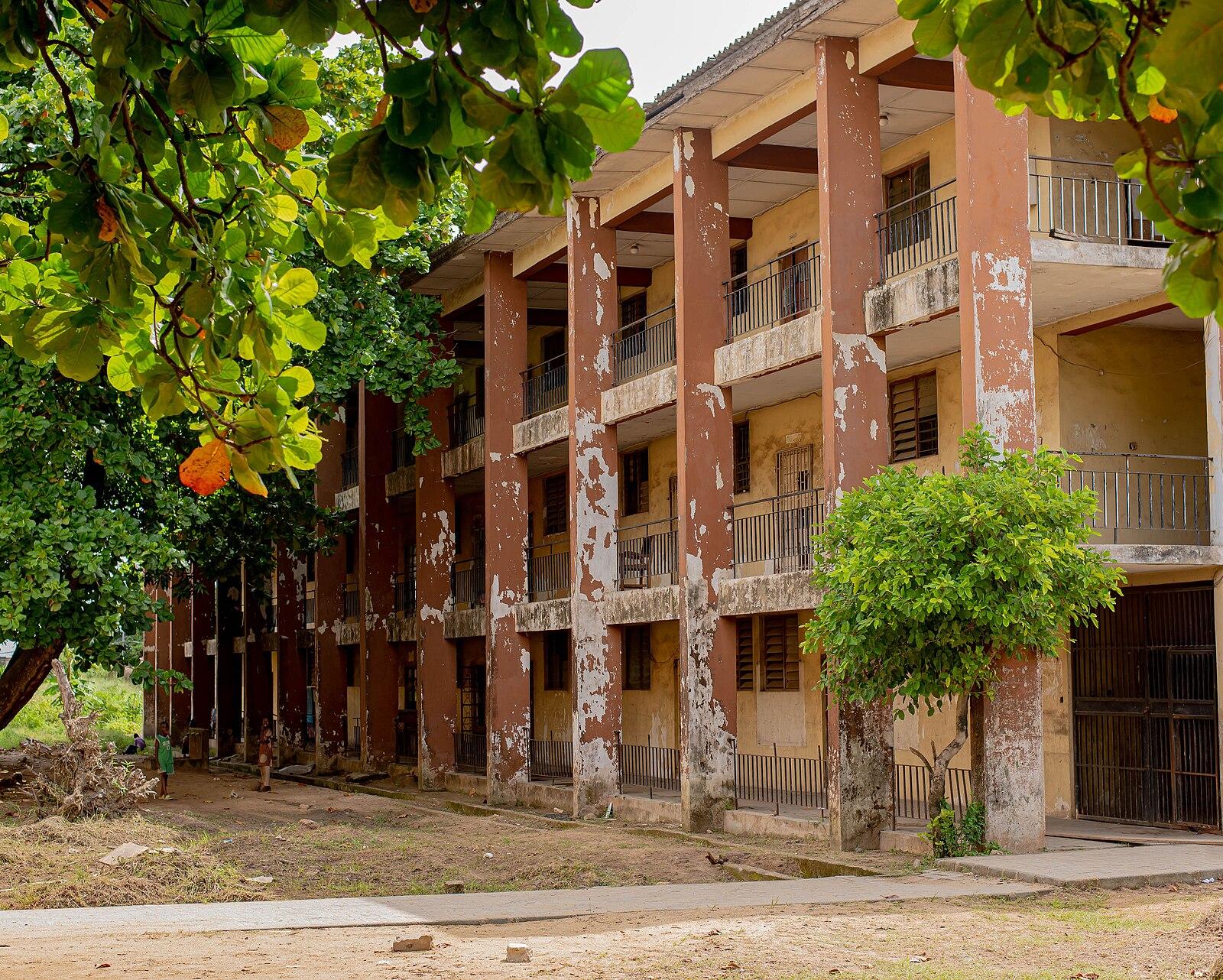
Lagos State has formally launched a restructuring of all 20 of its local government areas, a reform package the state government says will devolve more fiscal authority to councils, streamline service delivery, and bring administration closer to the 22 million residents who depend on it. The Lagos State Ministry of Local Government and Community Affairs confirmed the rollout began July 1, tying directly to new federal guidelines on LGA autonomy that took effect after the Supreme Court ruling of 2024.
The timing matters. Nigeria's cost-of-living crisis, driven by the naira's slide past ₦1,600 to the dollar and the fuel subsidy removal that pushed a litre of petrol above ₦1,100 in most Lagos filling stations, has made residents acutely sensitive to what their councils actually deliver for the levies they pay. Garbage collection in Surulere, pothole repairs on Agege Motor Road, drainage clearing in Bariga: these are not abstractions. They are the daily arithmetic of urban survival. The federal government's push to make LGAs financially independent from state interference, something governors fought bitterly in Abuja for over a decade, has forced Lagos to move.
On the ground, the reform is already visible in two places. The Alimosho Local Government Area, the most populous single LGA in Nigeria, with an estimated 1.3 million residents crammed between Ikotun, Egbe, and Ayobo, has received a direct allocation increase of roughly 34 percent under the new formula, according to budget documents circulating at the Lagos State House of Assembly. Meanwhile, the Lagos Island Local Government has been tasked with co-administering infrastructure inside the Eko Atlantic City development, a 10-square-kilometre reclaimed land project off Victoria Island that previously operated in a jurisdictional grey zone. The Lagos State Urban Renewal Agency is working alongside the restructured council to define boundaries and revenue-sharing from commercial activity there.
A Global Lens on What Lagos Is Attempting
The Lagos model invites comparison with other megacities that have wrestled with the same question: how do you govern a city of 20-plus million without the administration collapsing under its own weight? Nairobi devolved significant power to 47 county governments under Kenya's 2010 constitution, a process that took seven years to stabilise and still suffers from overlapping mandates. Jakarta, before Indonesia shifted its capital to Nusantara, spent nearly a decade restructuring its five administrative cities and one regency, a process that reduced duplication but created new turf wars over taxation. London's 33 boroughs model, established formally in 1963, is often cited as the benchmark: clear boundaries, ring-fenced budgets, directly elected borough leaders with real planning authority. Lagos is not there yet, but the July 1 package is the most deliberate step toward that structure the state has taken.
The critical difference is money. London boroughs collectively control budgets worth billions of pounds annually. Lagos LGAs, even after the new federal allocation formula, are working with combined monthly disbursements that analysts at the Centre for Democracy and Development in Abuja estimate at around ₦18 billion, enough to run basic services, barely enough to build anything. The Dangote Refinery coming online in Lekki has generated optimism about local economic activity, but refinery revenues flow to federal accounts first, not directly into Eti-Osa or Ibeju-Lekki LGA coffers.
What Residents Should Expect Next
The state government has set a 90-day implementation window, expiring by October 1, for each LGA to publish its revised budget, establish a public complaints portal, and appoint a full council supervisory committee. Residents in areas like Mushin and Oshodi-Isolo, where flooding during the June rains again submerged streets along the Oshodi-Apapa Expressway service lanes, will want to see drain maintenance budgets itemised and accountable at the LGA level rather than swallowed into state infrastructure line items.
Urban governance experts say the real test will come in the 2027 budget cycle, when LGAs must demonstrate they can collect, account for, and spend their own internally generated revenue without routing it through the state's consolidated fund. Nigeria has attempted LGA autonomy before. The difference this time, administrators insist, is judicial enforcement. The Supreme Court's 2024 order is not advisory. The councils that fail to comply face financial sanctions from the accountant-general's office. Lagos, of all states, can least afford that fight.