news
Lagos Red Line Misses Deadline Again; Ikorodu Extension Delayed Further
The Lagos Metropolitan Area Transport Authority missed another internal milestone this week, raising fresh doubts about when commuters east of Mile 12 will see a working train.
How we reported this
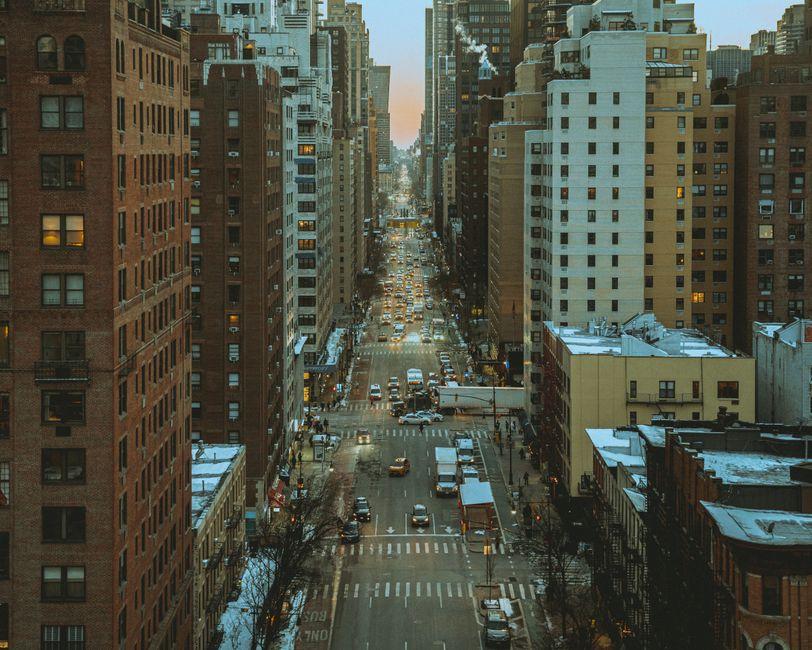
The Red Line will not reach Ikorodu by the end of the third quarter of 2026. That much became clear this week after the Lagos Metropolitan Area Transport Authority, LAMATA, quietly revised its construction schedule for the 37-kilometre rail corridor, pushing key civil works on the final eastern segment back by at least four months. Sources familiar with the project's procurement documents say the delay centres on incomplete viaduct foundations between Agric bus stop and the Ikorodu terminus, a stretch that has sat largely idle since February.
The timing is brutal for state authorities. Governor Babajide Sanwo-Olu staked considerable political capital on rail expansion as the centrepiece of Lagos transport policy, and the Red Line's first phase, from Agbado in the northwest to Oyingbo on Lagos Island, only began partial commercial operations in late 2023. The extension to Ikorodu was meant to prove the system could reach the densely populated eastern corridor, home to an estimated 700,000 daily commuters who currently endure some of the most punishing road gridlock in the country.
Cost-of-living pressure makes the stakes higher still. Danfo fares on the Lagos Island-to-Ikorodu route have risen sharply since fuel subsidy removal took effect in mid-2023, with passengers on the Mile 12-to-Ikorodu leg now paying between ₦800 and ₦1,200 per trip depending on traffic and time of day, more than double the 2022 rate. A functioning rail link was supposed to offer relief at a projected subsidised fare of around ₦400.
What Broke Down This Week
On Tuesday, LAMATA officials met with representatives of the China Civil Engineering Construction Corporation, CCECC, the contractor handling the eastern extension, at the authority's headquarters on Agidingbi Road in Ikeja. The meeting, which lasted roughly three hours, produced no public statement. Contractors on site near the Owutu area of Ikorodu told local transport correspondents that delivery of pre-stressed concrete beams, manufactured at a facility in Sagamu, Ogun State, has fallen behind schedule because naira devaluation pushed up the cost of imported steel reinforcements. The project's financing arrangement, originally structured partly in dollars, has become significantly more expensive to service as the naira trades above ₦1,580 to the dollar on the official market.
Federal oversight adds another layer of complication. The Nigerian Railway Corporation, NRC, which must certify track specifications before any passenger service can run, has not yet completed its safety audit of the Oyingbo-to-Agric section, a prerequisite for extending operational approval further east. NRC officials did not respond to requests for comment by press time.
Commuters Absorb the Cost
At Mile 12 Market, one of the busiest transit nodes in the city, commercial bus operators say passenger volumes have actually increased over the past six months even as fares climbed. The market sits at the junction of Ikorodu Road and the Lagos Ring Road, and on any weekday morning the queue for shared taxis stretches past the Ketu overhead bridge. Danfo operators there say they are running five to six trips daily to Ikorodu, compared with three or four in 2024, because commuters have no viable alternative.
The BRT service operated by Primero Transport Services on Ikorodu Road provides some relief, Primero currently runs approximately 80 buses on that corridor, but the system is overwhelmed at peak hours, and breakdowns regularly pull vehicles off the road.
LAMATA's revised internal schedule now targets a soft opening of the Agric-to-Ikorodu segment in the first quarter of 2027, though that date is contingent on CCECC resolving its supply-chain issues before September and NRC completing its safety review by November. Neither condition is guaranteed. For now, the millions of Lagosians east of Mile 12 will keep paying inflated bus fares and watching the unfinished viaduct pillars rise slowly above Ikorodu Road, a daily reminder of how long infrastructure promises take to keep in this city.